
Exploring the Contrasts in Paint Application Techniques
Painting is a popular way to refresh and protect buildings, but not all painting jobs are the same. The key differences between interior and exterior painting lie in their purpose, materials used, and environmental conditions they must withstand. Understanding these differences can help you choose the right approach for your project and ensure long-lasting results.
The Purpose of Interior Painting
Interior painting focuses on enhancing the aesthetics of indoor spaces. It aims to create a pleasing environment that complements a room’s design while providing protection for walls. Unlike its counterpart, it does not need to endure extreme weather conditions or harsh sunlight.
Unique Challenges of Exterior Painting
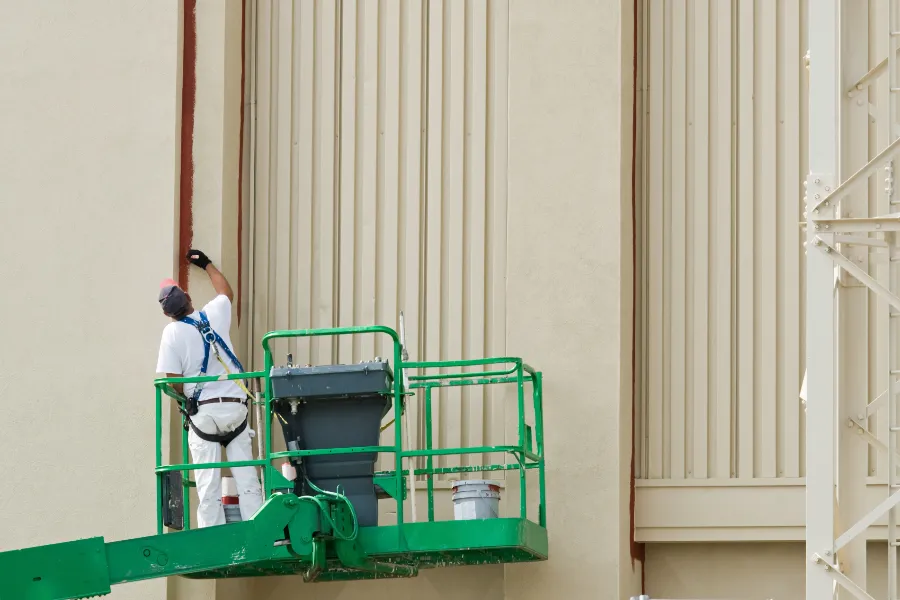
Exterior painting requires durability against various weather conditions. These surfaces face rain, wind, and UV rays, requiring paint products designed to resist fading and peeling. Such paints often contain special additives that enhance longevity and performance under adverse conditions.

Material Considerations for Both Types
The choice of paint varies significantly between interior and exterior applications. Interior paints prioritize smooth finishes and are often water-based for easy cleanup. In contrast, exterior paints focus on protective qualities and may be oil-based or have added resins to resist outdoor elements.
Understanding Surface Preparation
Proper surface preparation is crucial for both interior and exterior projects. Indoors, this involves cleaning surfaces to remove dust and grime. For outside projects, additional steps such as pressure washing and scraping old paint layers are necessary to ensure the new paint adheres properly.
Application Techniques Vary Significantly
The application techniques also differ. Interior painting allows for more finesse with brushes or rollers, promoting precision in smaller areas. On the other hand, exterior tasks often require sprayers to cover large areas quickly and evenly. This method is essential to achieve uniform coverage on textured surfaces like brick or stucco.
- Use primer to ensure paint adhesion
- Select the correct type of paint for the job
- Understand drying time variations based on climate
- Consider environmental impact and select eco-friendly options if possible
Cost Differences Between Interior and Outdoor Projects
Costs can vary widely due to different material needs and preparation levels. Interior jobs might cost less due to fewer preparatory requirements and cheaper materials. Conversely, external work often demands higher investment because of specialized paints and extensive labor involved.
The Importance of Hiring Professionals
While DIY painting can be tempting, hiring professionals ensures quality outcomes especially for exterior work. Experts offer knowledge in selecting appropriate materials and methods, guaranteeing durability and aesthetic appeal for both environments.
Final Thoughts on Choosing the Right Painting Approach
Understanding the distinctions between interior and exterior painting helps make informed decisions for your specific needs. By considering factors such as purpose, material selection, and application techniques, you can achieve optimal results. For expert guidance or services, reach out to True Paint Solutions LLC at (585) 361-5234. Our skilled team serves clients throughout Irondequoit, NY, delivering quality workmanship tailored to your project’s unique requirements.